

Chimichurri sauce recipe is your passport to vibrant, herbaceous flavor that transforms ordinary meals into extraordinary culinary adventures. Forget bland marinades; this Argentinian condiment is a revelation, bursting with fresh parsley, zesty garlic, and a hint of chili that awakens the palate. People adore chimichurri for its incredible versatility – it’s not just for grilled meats, though it truly shines there. Think of it drizzled over roasted vegetables, stirred into dips, or even as a zippy dressing for salads. What makes this chimichurri sauce recipe so special is its simplicity coupled with its powerful impact. It’s remarkably easy to whip up, yet it delivers a complex, refreshing taste that’s both sophisticated and wonderfully approachable. Prepare to elevate your grilling game and impress your friends and family with this essential Argentinian staple. You’ll find yourself reaching for this chimichurri sauce recipe again and again!

Chimichurri Sauce Recipe
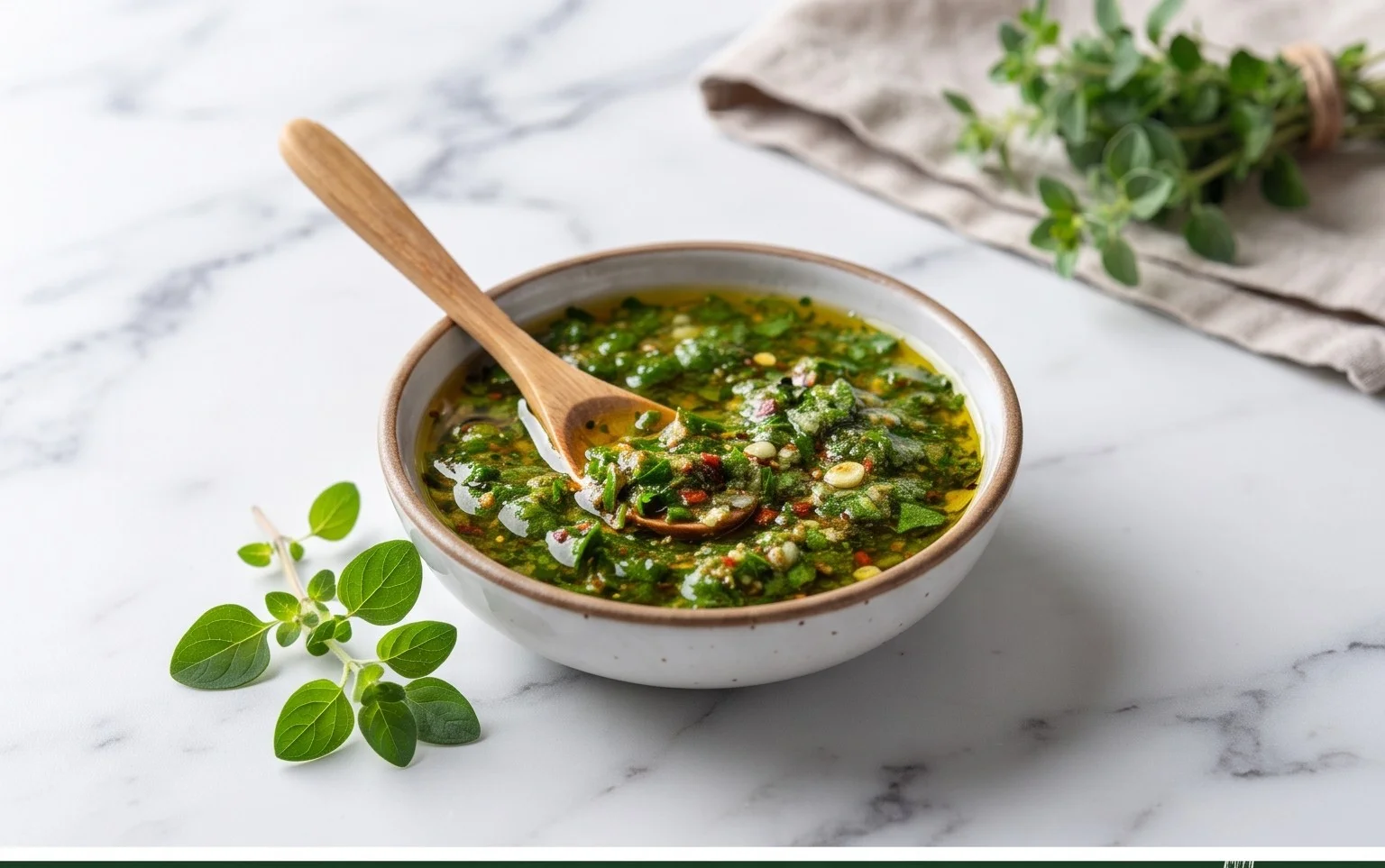
There are few sauces that pack as much vibrant flavor and herbaceous punch as chimichurri. Origin extractating from Argentina, this uncooked sauce is a staple for grilled meats, but its versatility extends far beyond the barbecue. Think of it as a zesty, fresh salsa that elevates everything from roasted vegetables to simple grilled fish. The bright green hue is a testament to the abundance of fresh herbs, and the tang from the vinegar and lemon juice cuts through richness beautifully. Making chimichurri from scratch is surprisingly simple and rewards you with a depth of flavor that bottled versions simply can’t match. This recipe focuses on fresh, quality ingredients to create a truly spectacular sauce.
Ingredients:
Instructions:
The beauty of chimichurri lies in its fresh, uncooked nature. This means we’re focusing on bringin extractg out the best of each ingredient without any cooking. The process is straightforward and largely involves chopping and mixing, making it an approachable recipe for cooks of all levels. We’ll start by preparing our aromatics and herbs, then emulsify them into a glorious sauce.
Step 1: Preparing the Herbs and Aromatics
The first step is crucial for building the foundation of our flavor. We need to meticulously prepare the fresh herbs. For the parsley, cilantro, and oregano, it’s important to use only the leaves and discard the tougher stems. Stems can make the sauce stringy and less pleasant in texture. Give the leaves a good rinse and then pat them thoroughly dry with paper towels or use a salad spinner. Excess moisture can dilute the flavor and affect the shelf life of your chimichurri. Once dry, roughly chop the herb leaves. Don’t worry about making them super fine at this stage, as we’ll be processing them further. For the red onion or shallots, a rough chop is all that’s needed. The garlic cloves should also be peeled and ready to go.
Step 2: Chopping and Combining the Solid Ingredients
Now, it’s time to bring together the flavor powerhouses. I like to use a food processor for this recipe to ensure a consistent texture, but you can also achieve this by hand with very fine chopping and a mortar and pestle for a more rustic result. If using a food processor, add the chopped parsley, cilantro, oregano, red onion or shallots, and peeled garlic cloves to the bowl. Add the red pepper flakes for a touch of gentle heat – you can adjust this amount based on your spice preference. Pulse these ingredients several times until they are finely minced but not pureed into a paste. We’re aiming for a chunky, textured consistency that still has some bite. If chopping by hand, this will take a bit more time and effort, but the result is equally delicious. Be sure to mince the garlic very finely if you’re going the manual route.
Step 3: Emulsifying the Sauce with Liquids
Once your solid ingredients are beautifully chopped and combined, it’s time to introduce the liquids and bring everything together. With the food processor running on a low speed, slowly drizzle in the extra-virgin extract olive oil. This process, known as emulsification, will help to bind the oil with the other ingredients, creating a cohesive sauce. Continue to process until the oil is fully incorporated and the mixture has a slightly thickened consistency. If you are making this by hand, you’ll want to gradually whisk in the olive oil into your chopped ingredients until it’s well combined. Next, add the red grape juice vinegar and fresh lemon juice. The vinegar provides a sharp, acidic tang, while the lemon juice adds brightness and a citrusy lift. These two elements are critical for balancing the richness of the olive oil and the earthiness of the herbs.
Step 4: Seasoning and Tasting
The final step before letting the flavors meld is to season the chimichurri. Add the kosher salt to the mixture and give it a good stir or a final pulse in the food processor. It’s essential to taste your chimichurri at this stage and adjust the seasoning as needed. Does it need a little more salt? A touch more acidity from the vinegar or lemon juice? Perhaps a pinch more red pepper flakes for heat? Chimichurri is a personal sauce, and the exact balance of flavors is up to your palate. Don’t be afraid to experiment and make it your own. Remember that the flavors will continue to develop and meld as it sits.
Step 5: Resting and Serving
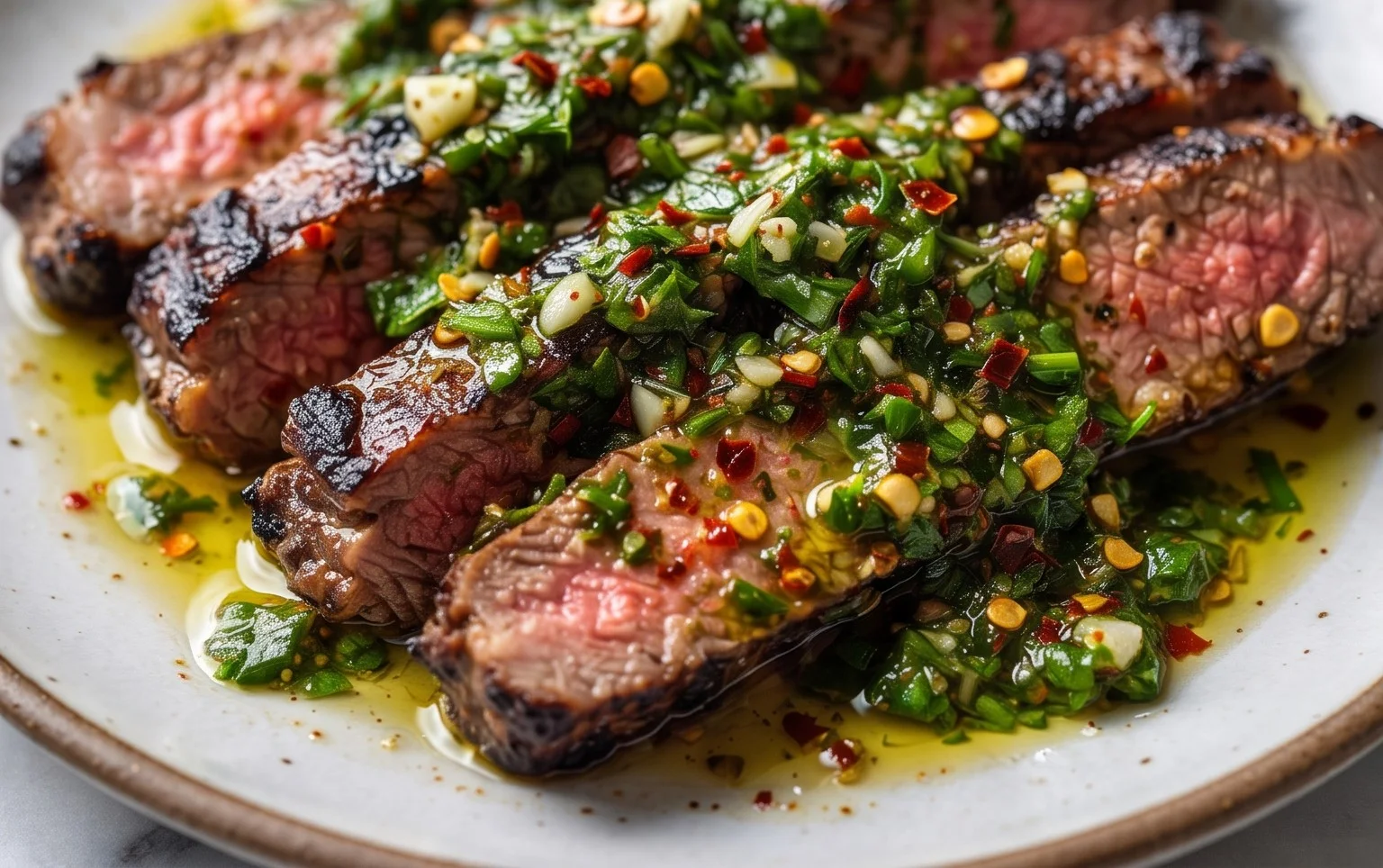
Once seasoned to perfection, it’s important to let your chimichurri rest. Transfer the sauce to an airtight container or a jar and let it sit at room temperature for at least 30 minutes, or preferably an hour, before serving. This resting period allows the flavors to deepen and harmonize. The garlic and onion will mellow slightly, and the herbs will truly infuse into the olive oil and vinegar. You can store chimichurri in the refrigerator for up to a week, but its flavor is best within the first few days. The olive oil may solidify slightly in the fridge, so just let it sit at room temperature for about 15-20 minutes before serving to soften. This vibrant, herbaceous sauce is incredibly versatile. It’s the quintessential accompaniment to grilled steak (asado), but it also shines on grilled chicken, lamb, fish, and even roasted vegetables like potatoes and cauliflower. Don’t hesitate to stir it into a vinaigrette for a salad dressing, or use it as a marinade for your favorite proteins. Enjoy the fresh, bold taste of homemade chimichurri!
Conclusion:
So there you have it – a simple yet incredibly versatile chimichurri sauce recipe that’s guaranteed to elevate your culinary creations! This bright, herbaceous sauce is more than just a condiment; it’s a flavor explosion waiting to happen. Its refreshing blend of fresh herbs, garlic, and a zesty kick of vinegar and oil makes it the perfect counterpoint to rich grilled meats, adding a vibrant freshness that cuts through fattiness beautifully. But don’t stop there! I encourage you to experiment and discover your own favorite ways to use this fantastic chimichurri sauce. It’s truly a game-changer for any meal.
Beyond its classic pairing with grilled steaks and chicken, consider slathering it on roasted vegetables, drizzling it over fish, or even stirring it into a potato salad. For those looking for variations, you can play with the spice level by adding a pinch of red pepper flakes, or introduce a hint of sweetness with a touch of honey or maple syrup. Some even add a bit of smoked paprika for an extra layer of depth. I truly believe this chimichurri sauce recipe is something everyone should have in their repertoire.
Frequently Asked Questions:
What can I serve chimichurri sauce with besides steak?
Chimichurri sauce is incredibly versatile! While it’s a classic for grilled meats like steak, chicken, and beef, it also shines with grilled fish, shrimp, roasted vegetables (think broccoli, cauliflower, or potatoes), and even as a vibrant dressing for salads or a flavorful spread for sandwiches. Don’t hesitate to try it on grilled halloumi or tofu for a vegetarian delight!
How long does chimichurri sauce last?
Freshly made chimichurri sauce will typically last for about 3-5 days when stored properly in an airtight container in the refrigerator. The acidity from the vinegar acts as a natural preservative. For the best flavor, I recommend enjoying it within the first few days while the herbs are at their freshest.
Chimichurri Sauce Recipe
A vibrant and herbaceous Argentinian sauce perfect for grilling and roasted meats.
Ingredients
-
1 cup fresh Italian flat-leaf parsley, leaves only, stems removed
-
1/4 cup fresh cilantro, leaves only, stems removed
-
1/4 cup fresh oregano, leaves only, stems removed
-
1/3 cup roughly chopped red onion
-
3 cloves garlic, peeled
-
1/2 teaspoon red pepper flakes
-
1/2 cup extra-virgin olive oil
-
1/4 cup red grape juice vinegar
-
3 tablespoons fresh lemon juice
-
1 teaspoon kosher salt
Instructions
-
Step 1
Finely chop the parsley, cilantro, and oregano. -
Step 2
Mince the red onion and garlic until very fine. -
Step 3
In a medium bowl, combine the chopped herbs, minced onion, minced garlic, and red pepper flakes. -
Step 4
Pour in the extra-virgin olive oil, red grape juice vinegar, and fresh lemon juice. -
Step 5
Add the kosher salt and stir everything together until well combined. -
Step 6
For best flavor, let the chimichurri sauce sit at room temperature for at least 15 minutes before serving to allow the flavors to meld.
Important Information
Nutrition Facts (Per Serving)
It is important to consider this information as approximate and not to use it as definitive health advice.
Allergy Information
Please check ingredients for potential allergens and consult a health professional if in doubt.

Leave a Comment