

Nut free pesto is a game-changer for so many home cooks, and I’m thrilled to share my go-to recipe with you today. For years, pesto conjured images of creamy, nutty goodness, but for those of us navigating allergies or simply looking for a delicious alternative, the traditional recipe was off-limits. That’s where this incredible nut free pesto shines. It captures all the vibrant, herbaceous essence and delightful texture we crave from classic pesto, without a single nut in sight. Imagin extracte transforming pasta dishes, drizzling over grilled chicken, or slathering onto sandwiches with this bright, flavorful sauce. What makes this particular nut free pesto so special is its balanced flavor profile – the freshness of basil, the zing of garlic, the richness of Parmesan, and a secret ingredient that provides that satisfying depth, all coming together in perfect harmony. It’s so versatile and utterly delicious, you’ll be making it week after week.

Nut-Free Pesto Perfection
For many, pesto conjures images of vibrant green sauce, rich with basil and the nutty crunch of pine nuts. However, for those with nut allergies or simply seeking a different flavor profile, the traditional pesto is off-limits. But fear not! My nut-free pesto recipe is here to revolutionize your pasta dishes, dips, and more. This version is incredibly adaptable, wonderfully fresh, and bursting with delicious flavor, all without a single nut. It’s a game-changer for anyone who has been missing out on the joy of pesto.
The beauty of this recipe lies in its simplicity and the quality of its ingredients. We’re focusing on the classic herbaceous notes of basil, the pungent kick of garlic, and the savory depth of Parmesan cheese, all brought together with the silky smoothness of olive oil. It’s a recipe that’s incredibly forgiving and can be whipped up in minutes, making it perfect for a weeknight meal or an impromptu appetizer. You’ll be amazed at how easily you can create a restaurant-quality pesto right in your own kitchen.
Ingredients:
Crafting Your Nut-Free Pesto
Now, let’s get down to the delicious details of making this vibrant sauce. You have a couple of excellent options for preparation, depending on your equipment and preference. I often find myself using a food processor because it’s quick and efficient, but a mortar and pestle can yield an even more rustic and intensely flavored pesto if you have the time and inclination.
Preparation Method 1: Food Processor Power
This is my go-to method for its speed and ease. It’s perfect when you’re short on time but craving that fresh pesto flavor.
1. Begin extract by thoroughly washing and drying your basil. It’s crucial that the basil leaves are dry; any excess water can dilute the flavor and affect the texture of your pesto. You can pat them dry with paper towels or use a salad spinner.
2. Place the dried basil leaves and the peeled garlic cloves into the bowl of your food processor. Give them a few pulses until the basil is roughly chopped and the garlic is minced. Don’t over-process at this stage; we want to create a good base for the oil.
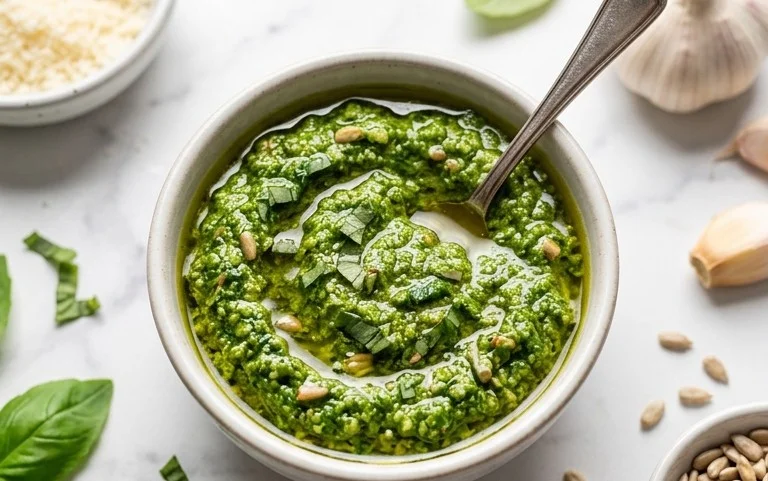
3. With the food processor running on a low setting, slowly drizzle in the olive oil through the feed tube. Continue to process until the mixture is well combined and forms a smooth, emulsified sauce. You’re looking for a vibrant green color and a consistency that’s neither too thick nor too runny. You can adjust the amount of olive oil slightly to achieve your desired texture. If you prefer a thicker pesto, use a little less oil; if you like it a bit looser, add a touch more.
4. Add the freshly grated Parmesan cheese, salt, and pepper to the food processor. Pulse a few more times until everything is just combined. Be careful not to over-process at this point, as you don’t want to break down the cheese too much, which can lead to a slightly gummy texture. We want those delicious little flecks of cheese to remain visible. Taste and adjust the salt and pepper if needed. Sometimes, the saltiness of the Parmesan can vary, so a quick taste test is always a good idea.
Preparation Method 2: The Mortar and Pestle Method (For the Traditionalist)
If you’re a purist or simply enjoy the meditative process of making pesto by hand, this method is for you. It truly allows you to connect with the ingredients and often results in a more complex flavor.
1. Start by placing the peeled garlic cloves into your mortar. Add a pinch of the salt. The salt acts as an abrasive, helping to break down the garlic more effectively. Grind the garlic and salt together with the pestle until you have a smooth paste. This can take a few minutes, so be patient.
2. Add the fresh basil leaves to the mortar, a handful at a time. Begin extract to gently bruise and grind the basil with the pestle, working in a circular motion. Continue adding basil and grinding until all the leaves are incorporated and you have a coarse, green paste. This will take some effort, but the reward is a beautifully textured pesto.
3. Once the basil is well incorporated and has a somewhat smooth consistency, gradually drizzle in the olive oil while continuing to stir and grind with the pestle. Keep working the mixture until the oil is fully incorporated and the pesto reaches your desired consistency.
4. Finally, stir in the freshly grated Parmesan cheese, and the remaining pepper. Mix well to ensure the cheese is evenly distributed. Taste and adjust seasoning if necessary. This method often results in a slightly chunkier, more textured pesto, which many people find very appealing.
Serving Suggestions and Storage
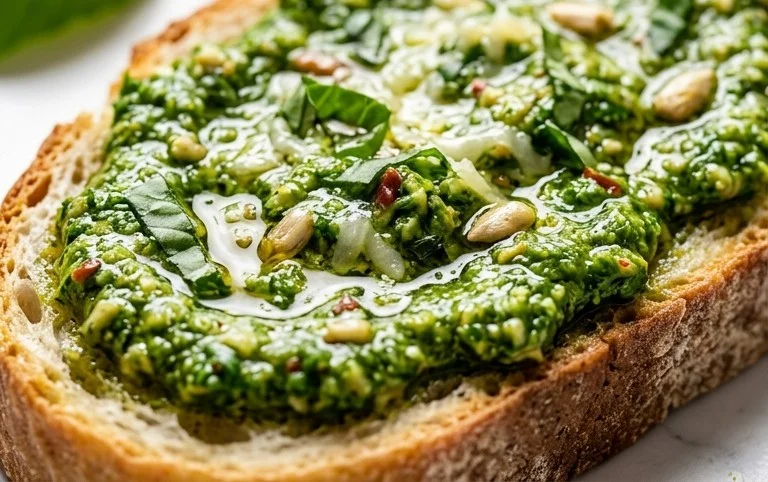
Once your nut-free pesto is ready, the possibilities are endless! It’s fantastic tossed with your favorite pasta, whether it’s spaghetti, penne, or farfalle. A dollop on grilled chicken or fish is divine. It also makes an incredible spread for sandwiches, a vibrant dip for raw vegetables, or a flavorful addition to a bruschetta topping.
To store your delicious creation, transfer it to an airtight container. It’s best to cover the surface of the pesto directly with a thin layer of olive oil before sealing the container. This helps to prevent oxidation and keeps the pesto looking vibrant for longer. Refrigerated, your nut-free pesto should last for about 5-7 days. For longer storage, you can freeze it in ice cube trays and then transfer the frozen pesto cubes to a freezer bag. This way, you can easily pop out just the amount you need for a quick meal. Enjoy your versatile, allergen-friendly pesto!
Conclusion:
I truly hope you enjoy making and tasting this delicious nut free pesto! It’s a fantastic alternative for those with nut allergies, making it a wonderfully inclusive recipe for gatherings and everyday meals. The vibrant basil, garlic, and Parmesan (or nutritional yeast for a dairy-free option!) come together beautifully, offering that classic pesto flavor without any nut concerns. Its versatility is a real highlight – it’s perfect tossed with pasta, spread on sandwiches, dolloped onto grilled chicken or fish, or even mixed into dips. Don’t be afraid to experiment with different herbs like parsley or spinach mixed in, or try adding a squeeze of lemon juice for extra brightness. This nut free pesto is so easy to whip up, and I encourage you to give it a try and discover how satisfying and flavorful it can be!
Frequently Asked Questions:
Can I freeze this nut free pesto?
Absolutely! This nut free pesto freezes wonderfully. You can portion it into ice cube trays and freeze until solid, then transfer the cubes to a freezer-safe bag or container for longer storage. This makes it super convenient to have homemade pesto on hand whenever you need it.
What can I use instead of Parmesan cheese?
For a dairy-free option, nutritional yeast is an excellent substitute. It provides a cheesy, umami flavor that complements the other ingredients perfectly. You can also experiment with omitting the cheese altogether if you prefer, though you might want to add a pinch more salt to compensate for the lost savoriness.
Nut Free Pesto
A simple and delicious nut-free pesto, perfect for pasta, sandwiches, or as a dip.
Ingredients
-
2 cups fresh basil
-
2 garlic cloves
-
1/2 cup freshly grated Parmesan cheese
-
1/4 cup olive oil
-
1/4 teaspoon salt
-
1/8 teaspoon pepper
Instructions
-
Step 1
Combine basil, garlic, Parmesan cheese, salt, and pepper in a food processor. -
Step 2
Pulse until the ingredients are finely chopped. -
Step 3
With the food processor running, slowly drizzle in the olive oil until the pesto is smooth and well combined. -
Step 4
Taste and adjust seasoning if necessary. -
Step 5
Transfer the pesto to a bowl or airtight container. -
Step 6
Store in the refrigerator for up to a week, or freeze for longer storage.
Important Information
Nutrition Facts (Per Serving)
It is important to consider this information as approximate and not to use it as definitive health advice.
Allergy Information
Please check ingredients for potential allergens and consult a health professional if in doubt.

Leave a Comment