

Hunan chicken is a dish that ignites the senses. If you’re craving a culinary adventure, prepare yourself for the bold, fiery embrace of this iconic Chinese classic. We’re not just talking about a little kick here; Hunan chicken is renowned for its complex symphony of flavors – a delightful dance between spicy, savory, and a hint of tangin extractess that will leave you utterly captivated. What makes this particular Hunan chicken recipe so special? It’s all about achieving that perfect balance, layering fragrant chilies, the subtle sweetness of garlic and gin extractger, and the umami depth of soy sauce, all coating tender pieces of chicken that practically melt in your mouth. Forget bland takeout; this Hunan chicken recipe brings the authentic taste of Hunan province right into your kitchen, promising an unforgettable meal that you’ll be eager to recreate again and again.

Hunan Chicken: A Spicy and Flavorful Delight
Get ready to embark on a culinary adventure with this incredibly satisfying Hunan Chicken recipe. Hailing from the Hunan province of China, this dish is renowned for its bold, spicy, and savory flavors, often balanced with a hint of sweetness and a satisfying tang. Unlike some other Chinese-American takeout dishes, Hunan Chicken truly lets its ingredients shine, creating a vibrant and delicious meal that’s surprisingly achievable in your own kitchen. We’ll be focusing on building layers of flavor, from the initial crisping of the chicken to the vibrant vegetable stir-fry and the luscious sauce that brings it all together.
This recipe is perfect for a weeknight dinner when you’re craving something exciting and flavorful, or for impressing guests with your stir-fry prowess. Don’t be intimidated by the ingredient list; most are pantry staples or readily available at your local grocery store. The key to success lies in proper preparation and a good understanding of the cooking process. So, let’s dive in and create some Hunan Chicken magic!
Ingredients:
Preparing the Chicken for Searing
The first crucial step in achieving that desirable texture for our Hunan Chicken is properly preparing the chicken. In a medium bowl, combine the thinly sliced chicken breasts with 1 cup of cornstarch, 1 teaspoon of salt, and 1 teaspoon of pepper. Toss everything together thoroughly until each piece of chicken is evenly coated with the cornstarch mixture. This coating serves two purposes: it helps to create a slightly crispy exterior when cooked and also acts as a thickening agent for the sauce later on. Don’t be shy with the coating; a good, even layer is what we’re aiming for. You can even let the coated chicken sit for a few minutes while you prepare your vegetables, allowing the cornstarch to adhere even better.
Searing the Chicken to Perfection
Now, let’s get our chicken beautifully seared. Heat 1 tablespoon of vegetable oil in a large skillet or wok over medium-high heat until it shimmers. Carefully add the cornstarch-coated chicken in a single layer, working in batches if necessary to avoid overcrowding the pan. Overcrowding will steam the chicken instead of searing it, and we want that lovely golden-brown crispness. Sear the chicken for about 2-3 minutes per side, or until it’s golden brown and cooked through. Once cooked, remove the chicken from the skillet and set it aside on a plate. Don’t worry if there are a few browned bits stuck to the bottom of the pan; those are full of flavor!
Stir-Frying the Aromatics and Vegetables
With our chicken ready, it’s time to build the vibrant base of our Hunan Chicken. Add the second tablespoon of vegetable oil to the same skillet (no need to clean it!) over medium-high heat. Once the oil is hot, add the minced garlic and minced fresh gin extractger. Stir-fry them for about 30 seconds until they are fragrant, being careful not to burn them. Immediately add the broccoli florets, sliced celery, bite-sized red bell pepper pieces, and halved baby corn to the skillet. Stir-fry the vegetables for about 3-5 minutes, or until they are tender-crisp. We want them to retain a slight bite and their bright, fresh color. This stage is all about quick cooking to preserve the vegetables’ texture and nutrients.
Crafting the Flavorful Sauce
The sauce is where the magic truly happens, tying all the elements of our Hunan Chicken together. In a small bowl, whisk together the 1 cup of chicken broth, 2 tablespoons of cornstarch, and 2 tablespoons of soy sauce. Make sure the cornstarch is completely dissolved to avoid any lumps. This mixture will form the base of our savory and slightly thick sauce. Pour this sauce mixture into the skillet with the stir-fried vegetables. Bring the sauce to a simmer, stirring constantly, until it thickens to your desired consistency. This usually takes about 1-2 minutes. The cornstarch will work its magic, creating a glossy, coating sauce that will cling beautifully to everything.
Bringin extractg It All Together for a Delicious Finish
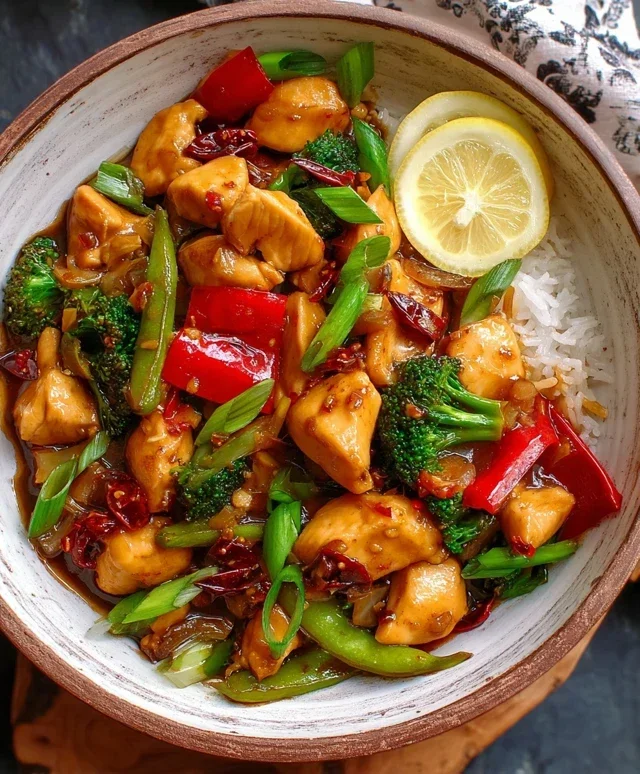
The final step is to combine our perfectly seared chicken with the luscious sauce and vibrant vegetables. Return the cooked chicken to the skillet with the thickened sauce and vegetables. Gently toss everything together to ensure the chicken is well-coated with the sauce and the vegetables are evenly distributed. Let it simmer for another minute or two, allowing the flavors to meld together beautifully. The goal here is to heat the chicken through and allow it to absorb some of the delicious sauce. Taste and adjust seasoning if necessary; you might want a touch more soy sauce or a pinch of salt, depending on your preference. Serve your delicious Hunan Chicken immediately over steamed rice, and prepare for a flavor explosion! Enjoy this taste of Hunan!
Conclusion:
And there you have it – a delicious and surprisingly accessible Hunan Chicken recipe that’s sure to become a weeknight favorite! We’ve explored how this dish delivers an incredible balance of spicy, savory, and slightly tangy flavors, making it a standout compared to milder chicken preparations. The tender chicken, vibrant vegetables, and the characteristic kick from the dried chilies and Hunan chili paste create a truly satisfying culinary experience. I find it incredibly rewarding to recreate these bold flavors in my own kitchen, and I’m confident you will too.
This Hunan Chicken is wonderfully versatile. Serve it piping hot over steamed jasmine rice for a classic pairing. It also shines alongside stir-fried noodles or a simple side of bok choy. For those looking to experiment, consider adding other quick-cooking vegetables like snap peas or water chestnuts. If you prefer a milder heat, reduce the number of dried chilies or opt for a less potent chili paste. Don’t be afraid to adjust the seasonings to your personal preference. I truly encourage you to give this recipe a try – you might just discover your new go-to spicy chicken dish!
Frequently Asked Questions about Hunan Chicken:
Can I make Hunan Chicken less spicy?
Absolutely! The primary sources of heat in this Hunan Chicken recipe are the dried chilies and the Hunan chili paste. To reduce the spice level, simply use fewer dried chilies, or remove them entirely after stir-frying if you want their flavor without the intense heat. You can also start with a smaller amount of Hunan chili paste and add more to taste. Some store-bought chili pastes vary in heat, so a little caution is advised.
What kind of chicken is best for this recipe?
Boneless, skinless chicken thighs are ideal for Hunan Chicken. They stay incredibly moist and tender during the stir-frying process, absorbing the bold flavors beautifully. However, boneless, skinless chicken breast can also be used. If you opt for chicken breast, be mindful of cooking time to prevent it from becoming dry; stir-fry until just cooked through.
Where can I find Hunan chili paste?
Hunan chili paste, sometimes labeled as Chinese chili bean paste or doubanjiang (though specific varieties can differ), is commonly found in Asian grocery stores or the international aisle of larger supermarkets. It’s a fermented paste that adds a unique depth of flavor and spiciness to many Chinese dishes.
Hunan Chicken
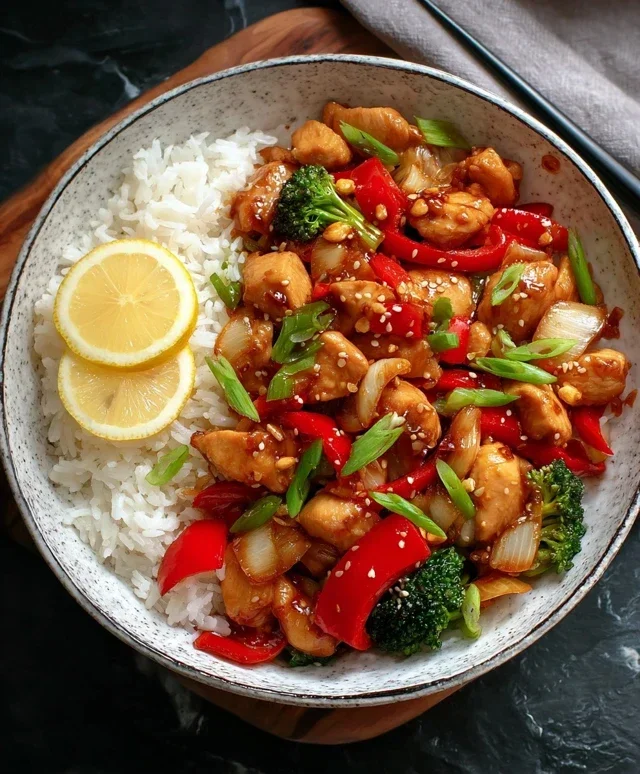
A classic and flavorful Hunan Chicken recipe featuring tender chicken and crisp vegetables in a savory sauce.
Ingredients
-
1 tablespoon vegetable oil or cooking oil of choice
-
2 chicken breasts, boneless skinless, thinly sliced
-
1 cup cornstarch
-
1 teaspoon salt
-
1 teaspoon pepper
-
1 tablespoon vegetable oil or cooking oil of choice
-
2 tablespoons minced garlic
-
1 tablespoon fresh ginger, minced
-
1 ½ cups broccoli florets, cut into bite-sized pieces
-
1 cup celery, thinly sliced
-
1 red bell pepper, cut into bite-sized pieces
-
1 can baby corn, drained and halved
-
1 cup chicken broth
-
2 tablespoons cornstarch
-
2 tablespoons soy sauce (regular or low sodium, do not use sweet soy sauce or dark soy sauce)
Instructions
-
Step 1
In a bowl, toss the thinly sliced chicken breasts with 1 cup of cornstarch, salt, and pepper until evenly coated. Set aside. -
Step 2
Heat 1 tablespoon of vegetable oil in a large skillet or wok over medium-high heat. Add the coated chicken and stir-fry until golden brown and cooked through. Remove chicken from the skillet and set aside. -
Step 3
Add the remaining 1 tablespoon of vegetable oil to the same skillet. Add minced garlic and minced ginger and stir-fry for about 30 seconds until fragrant. -
Step 4
Add broccoli florets, sliced celery, red bell pepper, and baby corn to the skillet. Stir-fry for 3-4 minutes until vegetables are tender-crisp. -
Step 5
In a small bowl, whisk together 2 tablespoons of cornstarch and 1 cup of chicken broth until smooth. Pour this mixture into the skillet with the vegetables. -
Step 6
Add the soy sauce to the skillet. Stir well and bring the sauce to a simmer, stirring constantly, until it thickens. -
Step 7
Return the cooked chicken to the skillet and toss to coat with the sauce. Cook for an additional minute until heated through.
Important Information
Nutrition Facts (Per Serving)
It is important to consider this information as approximate and not to use it as definitive health advice.
Allergy Information
Please check ingredients for potential allergens and consult a health professional if in doubt.
Leave a Comment