
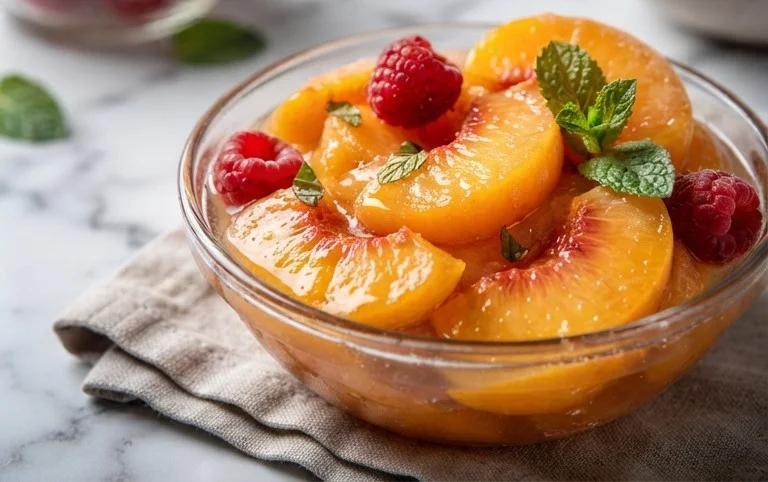
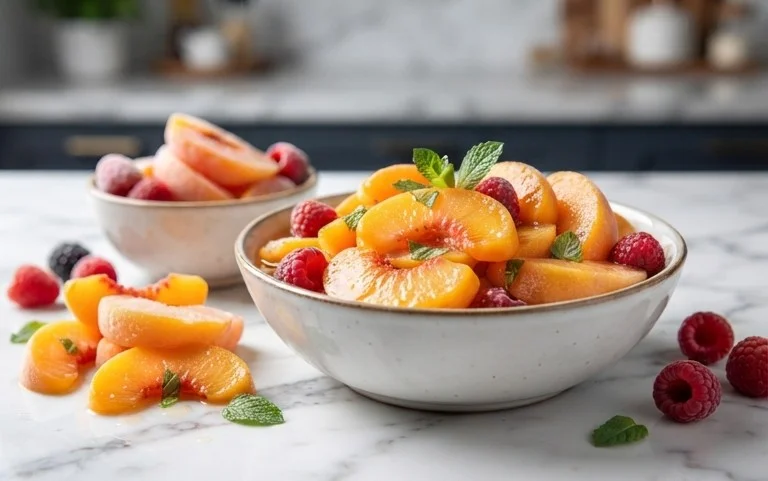
Freezing peaches, how to easily freeze peaches, is the ultimate way to capture that peak-season sunshine and sweet, juicy perfection for months to come. There’s nothing quite like biting into a perfectly ripe peach in the heart of summer, is there? But what if I told you that you could enjoy that same delightful experience long after the last peach has been plucked from the tree? That’s the magic of freezing peaches. It’s an incredibly simple process, requiring minimal effort but yielding maximum rewards. Imagin extracte: summer peach cobblers in the dead of winter, vibrant peach smoothies whenever the craving strikes, or simply enjoying slices of pure, unadulterated peach goodness straight from your freezer. We’re going to walk through the easiest method to ensure your frozen peaches retain their incredible flavor and texture, so you can savor this taste of summer all year round.

Ingredients:
Freezing Peaches: How to Easily Freeze Peaches
There’s nothing quite like the taste of fresh, ripe peaches. But what happens when you’re blessed with a bounty of this delicious fruit and can’t possibly eat them all before they turn? Freezing them, of course! Learning how to easily freeze peaches is a game-changer, allowing you to enjoy their sweet, summery flavor in pies, cobblers, smoothies, and more, long after peach season has passed. It’s a surprisingly simple process that preserves their vibrant taste and texture, and I’m going to walk you through it step-by-step.
Before you dive in, it’s important to choose the right peaches for freezing. You want peaches that are ripe but still firm to the touch. Overly soft or bruised peaches won’t hold up as well to the freezing and thawing process. Look for peaches that have a fragrant aroma and give slightly when you gently press them. Varieties like Elberta, Hnon-alcoholic ale, or even some of the freestone types are excellent choices for freezing.
Preparing Your Peaches
The first crucial step in freezing peaches is preparing them properly. This involves washing them thoroughly, peeling them, pitting them, and then slicing them. While you can freeze peaches with the skin on, peeling them makes them much more convenient to use later, especially for baking and smoothies.
To peel your peaches easily, I recommend the blanching method. Bring a pot of water to a rolling boil and prepare an ice bath (a large bowl filled with ice and cold water). Score a shallow “X” on the bottom of each peach. Carefully drop a few peaches at a time into the boiling water for about 30-60 seconds, or until the skins start to loosen. Immediately transfer them to the ice bath to stop the cooking process. Once they are cool enough to handle, the skins should slip off with ease.
After peeling, you’ll need to pit your peaches. Cut each peach in half along the seam, and then twist the halves to separate them. You can then use a small spoon or a paring knife to gently scoop out the pit. Discard the pits.
Once pitted, it’s time to slice your peaches. Aim for uniform slices, about ½ to ¾ inch thick. This ensures they freeze evenly and thaw at a similar rate. Again, try to work fairly quickly to prevent browning.
The Sweetening and Protecting Process
Now comes the part where we add flavor and protection. The sugar in this recipe acts as a natural preservative and also helps to maintain the texture and flavor of the peaches as they freeze. You’ll notice the recipe calls for 2/3 cup of sugar for 1 quart of peaches. This is a good balance that sweetens them without making them overly sugary, allowing the natural peach flavor to shine through.
The 3 teaspoons of Fruit Protector is another key ingredient. This is a powdered product, often made from ascorbic acid (Vitamin C) and citric acid, that helps prevent oxidation and browning. Browning can occur when the cut surfaces of the peaches are exposed to air during freezing, making them look unappetizing. Fruit Protector keeps your frozen peaches looking bright and fresh.
In a large bowl, gently combine your sliced peaches, sugar, and Fruit Protector. Stir carefully with a rubber spatula or a large spoon, ensuring that each peach slice is coated. You don’t want to mash the peaches; just a gentle tossing motion is sufficient. Let this mixture sit for about 10-15 minutes, stirring occasionally. This allows the sugar to start drawing out some of the peach juices, creating a light syrup that further protects the fruit.
Packagin extractg for the Freezer
Proper packagin extractg is essential for preventing freezer burn and maintaining the quality of your frozen peaches. Freezer burn occurs when food is exposed to air, leading to dehydration and an undesirable icy texture.
You have a couple of excellent options for packagin extractg. One is to use freezer bags. Lay your sweetened and protected peach slices in a single layer on a baking sheet lined with parchment paper. This “tray freezing” method prevents the slices from clumping together in one solid block, making them easier to portion out later. Once the slices are frozen solid (this usually takes about 2-3 hours), you can then transfer them into freezer bags. Squeeze out as much air as possible from the bags before sealing them tightly. Label each bag with the date and contents.
Alternatively, you can use rigid freezer-safe containers. Fill the containers with the peach slices, leaving about ½ inch of headspace to allow for expansion during freezing. Again, try to pack them snugly to minimize air pockets. If you’re concerned about air, you can pour some of the accumulated syrup from the bowl over the peaches before sealing the container.
Freezing and Storage
Once your peaches are packaged, they’re ready for their journey to the freezer. Place the bags or containers in the coldest part of your freezer. This ensures they freeze quickly and thoroughly, which is important for preserving their quality.
Frozen peaches can be stored for a good length of time. Properly packaged, they will maintain their best quality for about 8-12 months. While they may still be safe to eat beyond this period, their texture and flavor might start to degrade. So, make sure to use your delicious frozen peaches within a year for the best experience.
When you’re ready to use your frozen peaches, simply take out the amount you need. For most recipes, you can use them directly from frozen. If you need thawed peaches, you can transfer them to the refrigerator overnight, or for a quicker thaw, place them in a colander over a bowl and let them thaw at room temperature. Be aware that thawed peaches will be softer than fresh ones, which is perfectly fine for most applications. Enjoy the taste of summer all year round!
Conclusion:
You’ve now unlocked the secret to enjoying sweet, sun-ripened peaches all year round! Freezing peaches using this simple method is incredibly rewarding. It’s a fantastic way to preserve the peak flavor and texture of this delicious fruit without the fuss of canning or the uncertainty of spoilage. Imagin extracte reaching into your freezer and pulling out perfectly preserved peaches for your morning oatmeal, a refreshing smoothie, or a decadent dessert any time of year. This recipe truly shines because it’s straightforward, requires minimal effort, and yields incredible results. Think of all the possibilities: warm peach cobblers on a chilly evening, vibrant peach salsa for your next barbecue, or even just a bowl of delightful frozen peaches to cool down on a hot day.
Don’t be afraid to experiment! While this guide focuses on basic freezing, consider adding a squeeze of lemon juice to prevent browning or even a sprinkle of sugar for a slightly sweeter pack. Feel empowered to try this method; it’s a game-changer for any fruit lover and a wonderful way to reduce food waste.
Frequently Asked Questions:
Can I freeze peaches with the skin on?
While it’s possible, it’s generally recommended to peel peaches before freezing. The skin can become a bit tough and less appealing after thawing. Blanched and peeled peaches freeze much better and are easier to use in recipes.
How long do frozen peaches last?
When frozen properly using airtight containers or bags, your peaches can maintain excellent quality for 8 to 12 months. For the best flavor and texture, aim to use them within a year. However, they will remain safe to eat beyond that, though the quality might degrade slightly.
What’s the best way to thaw frozen peaches?
The best method for thawing depends on your intended use. For smoothies or baked goods, you can often use them directly from frozen. If you need them thawed for a sauce or topping, a slow thaw in the refrigerator is ideal. You can also speed up thawing by placing the bag or container in a bowl of cool water.
Freezing Peaches, How to Easily Freeze Peaches
A simple guide to preserving fresh peaches by freezing them, ensuring you can enjoy their sweetness year-round.
Ingredients
-
{‘@type’: ‘Ingredient’, ‘name’: ‘Peaches’, ‘quantity’: ‘1’, ‘unit’: ‘quart’}
-
{‘@type’: ‘Ingredient’, ‘name’: ‘Sugar’, ‘quantity’: ‘2/3’, ‘unit’: ‘cup’}
-
{‘@type’: ‘Ingredient’, ‘name’: ‘Fruit Protector’, ‘quantity’: ‘3’, ‘unit’: ‘teaspoons’}
-
{‘@type’: ‘Ingredient’, ‘name’: ‘Water’, ‘quantity’: ‘1/4’, ‘unit’: ‘cup’}
-
{‘@type’: ‘Ingredient’, ‘name’: ‘Lemon Juice’, ‘quantity’: ‘2’, ‘unit’: ‘tablespoons’}
Instructions
-
Step 1
Wash and peel the peaches. Cut them in half and remove the pits. Slice or dice the peaches into desired serving sizes. -
Step 2
In a separate bowl, whisk together the sugar, Fruit Protector, water, and lemon juice until the sugar is dissolved, creating a light syrup. -
Step 3
Gently toss the prepared peach slices in the syrup mixture, ensuring each piece is lightly coated. -
Step 4
Arrange the syruped peach slices in a single layer on a baking sheet lined with parchment paper. This prevents them from sticking together during freezing. -
Step 5
Place the baking sheet in the freezer for 2-3 hours, or until the peaches are frozen solid. -
Step 6
Once frozen, transfer the peach slices into freezer-safe bags or airtight containers. Remove as much air as possible before sealing. -
Step 7
Label the containers with the date and contents, and store them in the freezer for up to 10-12 months.
Important Information
Nutrition Facts (Per Serving)
It is important to consider this information as approximate and not to use it as definitive health advice.
Allergy Information
Please check ingredients for potential allergens and consult a health professional if in doubt.


Leave a Comment