Pasta Primavera is more than just a meal; it’s a celebration of spring on a plate. When those first vibrant vegetables start to appear, there’s nothing I crave more than a bowl brimming with the fresh flavors of Pasta Primavera. This dish is beloved for its incredible versatility and its ability to transform simple, seasonal ingredients into something truly spectacular. What makes Pasta Primavera so special is its inherent lightness and the delightful crunch of perfectly cooked vegetables, all tossed with your favorite pasta and a bright, zesty sauce. It’s a dish that feels both comforting and sophisticated, making it ideal for a weeknight dinner or a special occasion. Get ready to fall in love with this timeless classic all over again!

Pasta Primavera
Ah, Pasta Primavera! The very name conjures up images of vibrant colors and fresh, spring flavors. This dish is a celebration of seasonal vegetables, tossed with perfectly cooked pasta in a light and zesty sauce. It’s surprisingly simple to make, yet it feels elegant enough for a special occasion. Whether you’re a seasoned home cook or just starting out, this recipe is a fantastic way to bring a taste of spring to your table. The beauty of Pasta Primavera lies in its versatility; feel free to swap out vegetables based on what’s fresh and in season at your local market. But for this iteration, we’ll be working with a fantastic combination that truly sings.
Ingredients:
Cooking Instructions:
The key to a truly spectacular Pasta Primavera is in the preparation and timing of your vegetables. We want them to be tender-crisp, retaining their bright colors and individual flavors. Let’s get started!
1. Preparing the Pasta and Vegetables
First things first, we need to get our pasta cooking. Bring a large pot of generously salted water to a rolling boil. The water should taste like the sea! Add the 10 oz. of dry Barilla Penne Pasta and cook according to package directions until al dente – this means it should still have a slight bite to it. While the pasta is cooking, this is the perfect time to prep your vegetables. We’ve already listed them as sliced into matchsticks or quarter portions, but ensure they are uniform in size for even cooking. This is especially important for the carrot, broccoli florets, and red bell pepper. For the yellow squash and zucchini, slicing them into quarter portions and then into bite-sized pieces will help them cook through without becoming mushy. Mince your garlic cloves finely, and halve the grape tomatoes. Having everything prepped and ready to go, also known as “mise en place,” will make the cooking process incredibly smooth.
2. Sautéing the Aromatics and Harder Vegetables
Once your pasta is about 5-7 minutes away from being done, grab a large skillet or a wide pot – something that can comfortably hold all your pasta and vegetables. Heat the 1/4 cup of olive oil over medium heat. Add the sliced red onion and sauté for about 3-4 minutes until it starts to soften and become translucent. Next, add the carrot matchsticks. These are the densest vegetables, so they need a head start. Cook the carrots for about 5 minutes, stirring occasionally, until they are starting to become tender. This initial sautéing helps to release their natural sweetness and ensures they’re perfectly cooked by the time the pasta is ready.
3. Adding the Softer Vegetables and Garlic
Now it’s time to introduce some more tender vegetables to the mix. Add the broccoli florets and the red bell pepper matchsticks to the skillet. Continue to cook for another 4-5 minutes, stirring regularly. You want the broccoli to turn a vibrant green and the bell pepper to soften slightly. Following that, add the yellow squash and zucchini. Give everything a good stir and cook for about 3-4 minutes more. We’re aiming for these vegetables to be tender-crisp. Finally, add the minced garlic cloves to the skillet. Be careful not to burn the garlic; it should become fragrant within about 1 minute. This is a crucial step for building flavor in our Primavera sauce.
4. Incorporating Tomatoes, Seasoning, and Pasta Water
With the majority of your vegetables softened, it’s time to add the finishing touches to the vegetable base. Add the halved grape tomatoes to the skillet. Cook for just 1-2 minutes, until they begin extract to soften and release some of their juicy goodness. Sprinkle in the 2 tsp of dried Italian seasoning, which will infuse the dish with wonderful herbaceous notes. Now, it’s time to bring everything together with the pasta. By now, your pasta should be perfectly al dente. Using a slotted spoon or tongs, transfer the cooked penne directly from the boiling water into the skillet with the vegetables. Don’t drain all the pasta water just yet! Reserve about 1/2 cup of the starchy pasta water. This magical liquid is what will help create a cohesive and glossy sauce.
5. Creating the Sauce and Finishing Touches
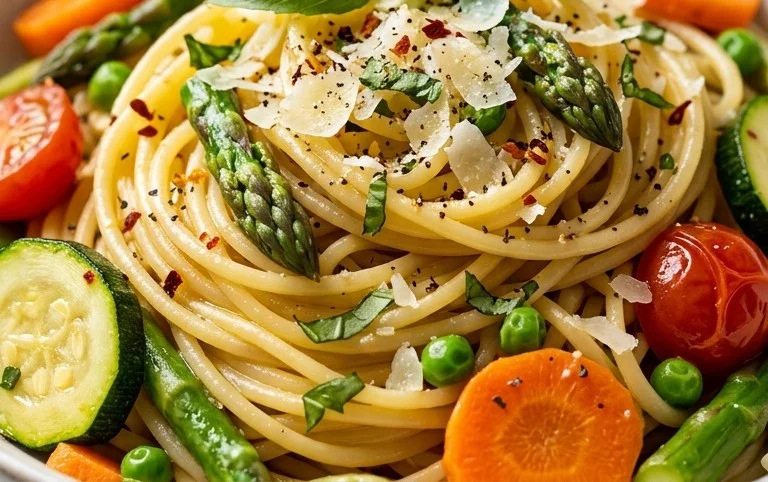
Add about 1/2 cup of the reserved pasta water to the skillet. This, combined with the olive oil and the juices released from the vegetables, will form a light and delicious sauce that coats the pasta beautifully. Toss everything together vigorously for about 1-2 minutes, allowing the starch from the pasta water to emulsify with the oil and create a slightly thickened sauce. Stir in the 2 Tbsp of fresh lemon juice; the brightness of the lemon is essential for cutting through the richness and bringin extractg all the flavors to life. Finally, add half of the shredded parmesan cheese (about 1/4 cup) to the skillet. Toss again until the cheese is melted and incorporated into the sauce. Season with additional salt and freshly ground black pepper to your taste. Serve immediately, garnished with the remaining shredded parmesan cheese. This Pasta Primavera is a symphony of fresh flavors and textures, a true delight for the senses!
Conclusion:
I hope you’re as excited to try this Pasta Primavera recipe as I am! It’s a truly wonderful dish because it’s so versatile and celebrates the vibrant flavors of fresh, seasonal vegetables. The quick cooking time makes it perfect for a weeknight meal, yet it’s elegant enough to impress guests at a dinner party. The beauty of Pasta Primavera lies in its adaptability. Feel free to swap out vegetables based on what’s in season or what you have on hand. You can add lean protein like grilled chicken or shrimp, or opt for a vegetarian delight by incorporating chickpeas or white beans. Serve it as a main course with a simple green salad and crusty bread, or as a lighter side dish. Don’t be afraid to experiment and make this recipe your own. I encourage you to dive in and create your own delicious version of this classic Pasta Primavera!
Frequently Asked Questions:
What vegetables work best in Pasta Primavera?
Almost any spring or summer vegetable works beautifully! Think asparagus, peas, zucchini, bell peppers, cherry tomatoes, broccoli, snap peas, and fresh herbs like basil and parsley. For a heartier dish, consider adding spinach or knon-alcoholic ale. The key is to use what’s fresh and in season for the brightest flavors.
Can I make this recipe ahead of time?
While Pasta Primavera is best enjoyed fresh to preserve the crispness of the vegetables, you can prep some components in advance. Chop all your vegetables and store them separately in airtight containers in the refrigerator. You can also cook the pasta ahead of time and toss it with a little olive oil to prevent sticking. When ready to serve, quickly sauté the vegetables and combine with the pasta and sauce.
How can I make this Pasta Primavera dish vegan?
To make this Pasta Primavera vegan, simply omit the Parmesan cheese. You can substitute it with a sprinkle of nutritional yeast for a cheesy flavor, or a generous drizzle of good quality olive oil. Ensure your pasta is egg-free, which most dried pastas are.
Pasta Primavera
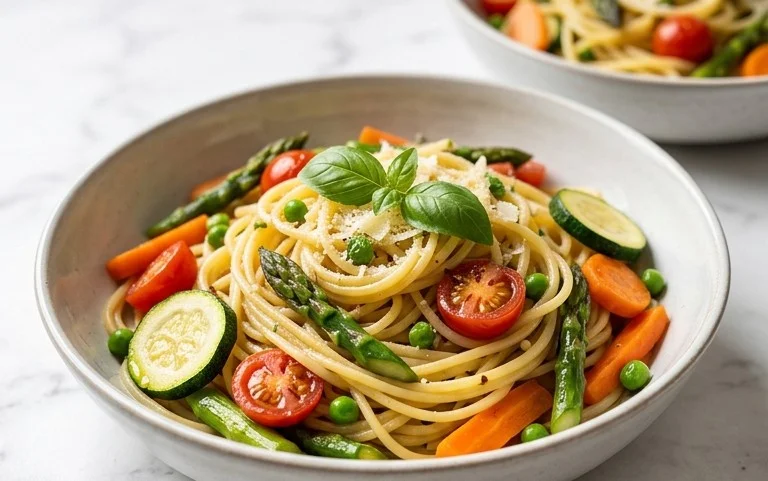
A vibrant and fresh pasta dish packed with seasonal vegetables and a light lemon-parmesan sauce.
Ingredients
-
10 oz. dry Barilla Penne Pasta
-
Salt
-
1/4 cup olive oil
-
1/2 medium red onion, sliced
-
1 large carrot, peeled and sliced into matchsticks
-
2 cups broccoli florets, cut into matchsticks
-
1 medium red bell pepper, sliced into matchsticks
-
1 medium yellow squash, sliced into quarter portions
-
1 medium zucchini, sliced into quarter portions
-
3 – 4 cloves garlic cloves, minced
-
1 cup (heaping) grape tomatoes, halved through the length
-
2 tsp dried Italian seasoning
-
1/2 cup pasta water
-
2 Tbsp fresh lemon juice
-
1/2 cup shredded parmesan, divided
Instructions
-
Step 1
Cook pasta according to package directions in well-salted boiling water. Reserve 1/2 cup of pasta water before draining. -
Step 2
While pasta cooks, heat olive oil in a large skillet over medium heat. Add red onion and cook until softened, about 3 minutes. -
Step 3
Add carrot, broccoli, red bell pepper, yellow squash, and zucchini to the skillet. Cook, stirring occasionally, until vegetables are tender-crisp, about 7-9 minutes. -
Step 4
Stir in minced garlic and dried Italian seasoning, and cook for 1 minute more until fragrant. -
Step 5
Add the drained pasta, grape tomatoes, reserved pasta water, and lemon juice to the skillet. Toss to combine and coat everything evenly. -
Step 6
Stir in half of the shredded parmesan cheese. Season with salt to taste. Serve immediately, topped with the remaining parmesan cheese.
Important Information
Nutrition Facts (Per Serving)
It is important to consider this information as approximate and not to use it as definitive health advice.
Allergy Information
Please check ingredients for potential allergens and consult a health professional if in doubt.
Leave a Comment